Microgravity on space station helps viruses beat drug-resistant bacteria, study shows
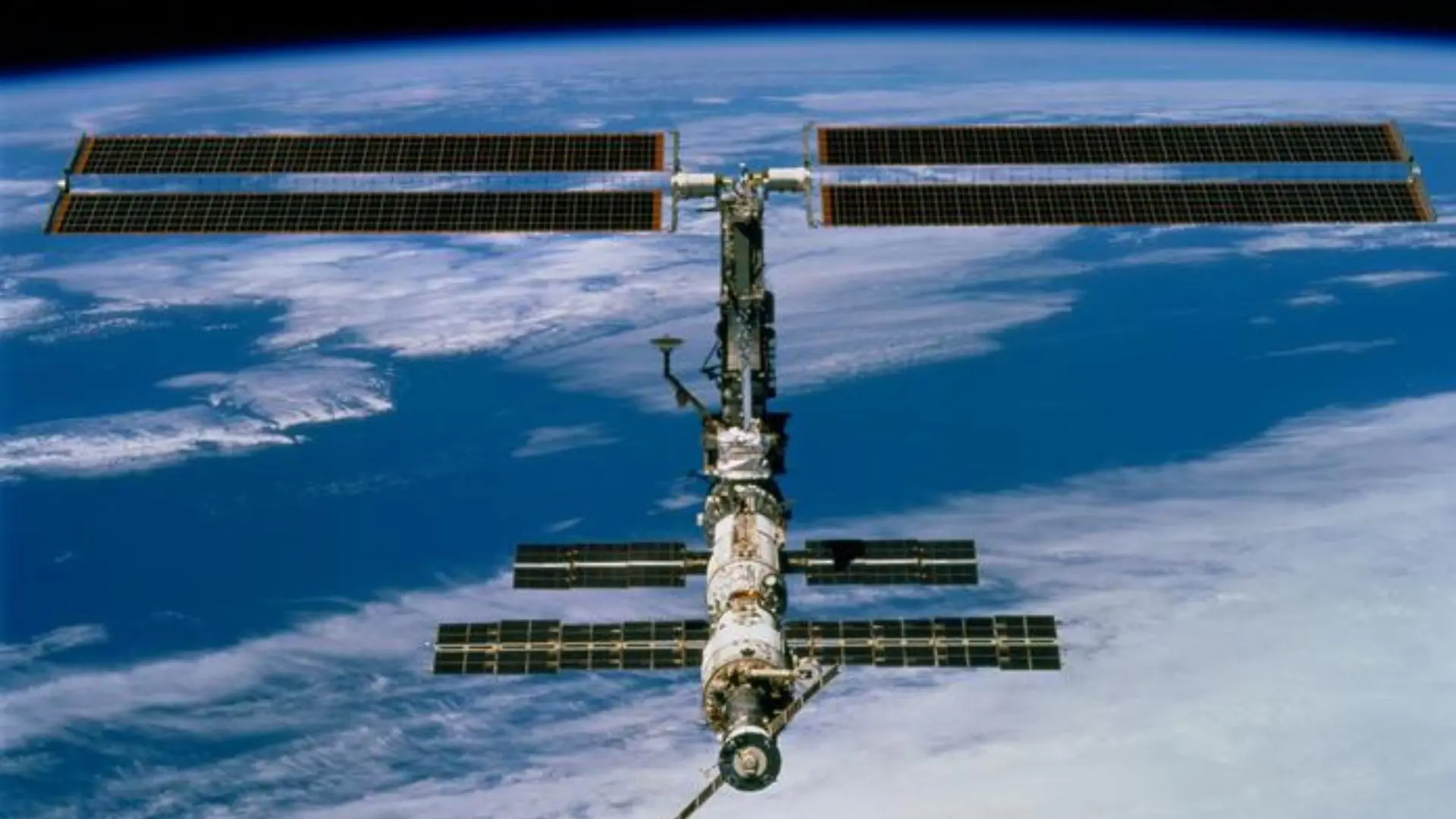
A new study has uncovered dynamics of virus-bacteria interactions in the microgravity environment of the International Space Station (ISS).
University of Wisconsin-Madison team found that microgravity alters the “evolutionary arms race” between bacteria and the viruses that infect them (phages).
For the study, the researchers compared E. coli and its viral nemesis, the T7 phage, in space versus Earth-bound controls.
“Space fundamentally changes how phages and bacteria interact: infection is slowed, and both organisms evolve along a different trajectory than they do on Earth,” the authors noted in the press release on January 13.
Mutations in microgravity
In microbial ecosystems, bacteria and the viruses that infect them (phages) engage in a continuous evolutionary arms race where each adapts to overcome the other’s defenses.
These interactions are well documented on Earth, but the unique environment of microgravity fundamentally alters this dynamic.
Life in zero-G is weird for microbes. Without gravity to help them sink or circulate, viruses and bacteria don’t bump into each other as often.
As these typical collisions are disrupted, the two organisms are forced to adapt in unusual ways to survive, triggering a form of biological competition unlike that on Earth.
To fill the gap in our understanding of how space affects germs, researcher Phil Huss and his team conducted a direct-comparison study.
They infected E. coli with the T7 phage in two environments: one group remained on Earth as a control, while the other was sent to the orbital lab to see how microgravity altered their interaction.
Initially, the T7 phages aboard the ISS struggled. Infection was delayed. But eventually, the T7 phage managed to infect the E. coli in space.
Although the biological process looked very different under the microscope.
Whole-genome sequencing showed that the genetic mutations in both the virus and the bacteria on the space station were significantly different from those found in the Earth-bound samples, proving that microgravity forces life to evolve along a unique path.
Solving the superbug crisis
In orbit, the two organisms evolved in opposite directions.
The phages developed mutations that sharpened their ability to latch onto and infect bacterial cells.
On the other hand, E. coli acquired genetic changes that blocked those attacks and improved its overall survival in a weightless environment.
Using deep mutational scanning, researchers discovered that the space-driven changes in the virus’s “entry key” (the receptor binding protein) were fundamentally different from those on Earth.
When tested back home, these specific microgravity mutations enabled the virus to successfully attack drug-resistant E. coli strains that are normally immune to the standard virus.
E. coli strains are responsible for human urinary tract infections.
“Overall, this study highlights the potential for phage research aboard the ISS to reveal new insights into microbial adaptation, with potential relevance to both space exploration and human health,” the team noted.
Scientists are using lessons from space-driven evolution to build enhanced phages capable of overcoming the defenses of antibiotic-resistant bacteria.
The findings were published in the journal PLOS Biology on January 13.